Pyttons: A Playful Script Font That Elevates Your Creative Projects
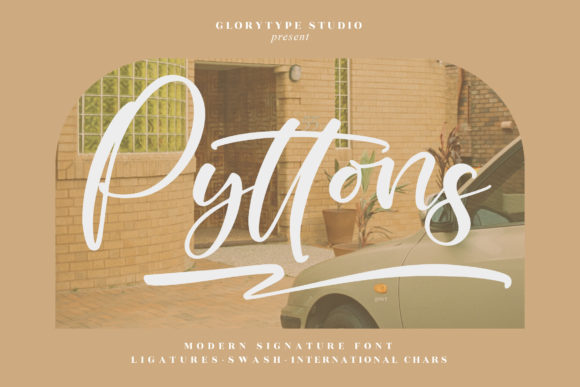
Pyttons is a script font that brings a sense of charm and whimsy to any design. With its flowing, playful characters that seem to dance along the baseline, it's perfect for adding personality to your creative work. Whether you're designing logos, crafting social media posts, or creating invitations, Pyttons can help your message stand out in a unique and eye-catching way.
What Is Pyttons and Why You Should Care
If you're new to typography, you might be wondering what makes a script font like Pyttons special. Unlike more formal fonts, script fonts mimic handwriting, giving your text a personal, handcrafted feel. Pyttons takes this a step further with its dynamic, almost animated appearance. Each letter flows into the next, making it ideal for projects where you want to evoke emotion or creativity.
Many designers, marketers, and content creators are drawn to Pyttons because it adds a touch of elegance and playfulness to their work. It's especially popular in branding, wedding invitations, and promotional materials where a friendly, approachable tone is desired.
Common Mistakes When Using Pyttons
While Pyttons is a versatile font, there are some common mistakes that can undermine its effectiveness. One of the most frequent errors is using it for large blocks of text. Because script fonts are often harder to read in long passages, they should be reserved for headings, titles, or short phrases.
Another mistake is pairing Pyttons with other script fonts, which can make your design look cluttered and unprofessional. Instead, consider combining it with a clean sans-serif font for body text to maintain readability and visual balance.
Some users also overlook the importance of spacing and kerning when using Pyttons. The font's playful nature can sometimes cause letters to appear too close together or misaligned if not properly adjusted. Always take the time to fine-tune your layout to ensure the text looks polished and professional.
How to Avoid Common Pitfalls
To get the most out of Pyttons, it's important to use it wisely. Here are a few practical tips to help you avoid common mistakes:
- Use it sparingly: Reserve Pyttons for headlines, logos, or call-to-action buttons rather than for long paragraphs of text.
- Pair it with complementary fonts: Combine Pyttons with a sans-serif or serif font to create contrast and improve readability.
- Adjust spacing and alignment: Use font tools to adjust letter spacing and line height so that your text appears balanced and visually appealing.
- Test it on different platforms: Make sure Pyttons looks good across various devices and screen sizes before finalizing your design.
By following these guidelines, you can ensure that your use of Pyttons enhances your project rather than detracts from it. Remember, the goal is to use the font in a way that supports your message and improves the overall user experience.
What to Check Before Using Pyttons
Before incorporating Pyttons into your design, there are a few key factors to consider. First, check whether the font is compatible with your design software or platform. Some fonts may not render correctly on certain systems, so it's always a good idea to test them out before committing to a final design.
You should also consider the licensing agreement for Pyttons. If you're using it for commercial purposes, make sure you have the appropriate license to avoid legal issues. Many fonts require a purchase or subscription, so be sure to review the terms carefully.
Lastly, think about the context in which you'll be using Pyttons. Will it be part of a logo, a website header, or a print design? Understanding the purpose of your project will help you determine whether Pyttons is the right choice and how best to use it.
Real-World Examples and Better Approaches
Let's say you're designing a social media post for a boutique clothing brand. Using Pyttons as the main font for your headline can add a fun, youthful vibe that aligns with your brand's image. However, if you use it for the entire caption, it could become difficult to read, especially for users with visual impairments.
A better approach would be to use Pyttons for the headline and switch to a more legible sans-serif font for the rest of the text. This way, you maintain the playful aesthetic while ensuring that your message is clear and easy to understand.
Another example is using Pyttons for a wedding invitation. The font's elegant curves and flowing lines can create a romantic, handwritten feel that's perfect for such an event. However, if you're including a lot of text, you should pair it with a complementary font to keep everything readable and organized.
In both cases, the key is to use Pyttons strategically. By knowing when and where to apply the font, you can enhance your designs without compromising clarity or usability.
Final Thoughts on Choosing and Using Pyttons
Pyttons is a fantastic font that can elevate your creative projects with its charming, playful style. However, like any tool, it requires thoughtful application to achieve the best results. By avoiding common mistakes and considering the right context for use, you can ensure that your designs look professional and impactful.
Whether you're a beginner just starting out or a seasoned designer looking for new inspiration, Pyttons offers a unique way to add personality to your work. Take the time to explore its features, experiment with different combinations, and always prioritize readability and clarity in your designs.