Carolina Font for Creative and Professional Use
If you're looking for a font that's both stylish and easy to use, Carolina might be exactly what you need. This bold and simple script font brings elegance without the complexity, making it perfect for a wide range of creative and professional projects. Whether you're designing logos, crafting invitations, or updating your website, Carolina offers a versatile solution that blends well with many design styles.
What Is Carolina?
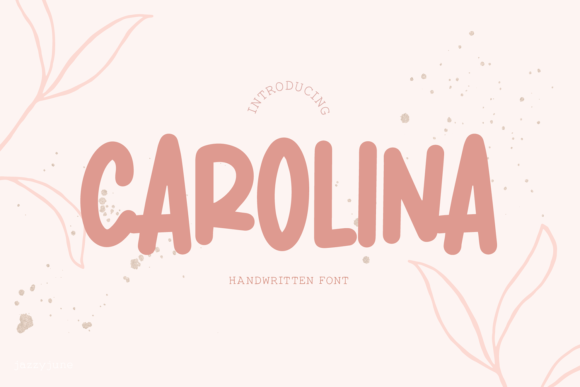
Carolina is a bold and simple script font designed to be visually appealing while remaining highly functional. Unlike more intricate script fonts that can be difficult to read or use in digital formats, Carolina strikes a balance between beauty and usability. Its clean lines and consistent stroke widths make it ideal for both print and digital media.
The font’s simplicity allows it to be used in a variety of contexts, from personal crafts to professional branding. It doesn’t demand a high level of design expertise, which makes it accessible even to beginners who want to create something visually striking without getting bogged down by complicated typography.
Key Features of Carolina
- Bold and legible: Carolina maintains readability even at smaller sizes, making it suitable for headlines, titles, and body text.
- Simple structure: The font avoids overly ornate details, keeping the focus on clarity and style.
- Versatile application: It works well with both modern and traditional design aesthetics, offering flexibility across different mediums.
- Easy to pair: Carolina complements a wide range of other fonts, making it an excellent choice for multi-font designs.
Why Choose Carolina?
There are several reasons why someone might choose Carolina over other script fonts. For one, it’s incredibly user-friendly. If you're new to typography or just looking for something straightforward, this font won’t overwhelm you with unnecessary embellishments.
Another advantage is its adaptability. You can use it in almost any creative project, from wedding invitations and greeting cards to social media posts and business presentations. Its bold nature ensures that it stands out without being too flashy, which is perfect for creating a strong visual identity.
For professionals such as marketers, bloggers, or small business owners, Carolina offers a way to enhance brand materials without requiring advanced design skills. It adds a touch of sophistication that can elevate the overall look of your work.
Practical Use Cases for Carolina
Here are some real-world examples of how you can use Carolina effectively:
- Personal Crafts: Use it in DIY projects like scrapbooking, handmade cards, or custom gift tags. Its bold style adds a nice contrast to more delicate elements.
- Business Branding: Incorporate it into logos, packaging, or promotional materials to give your brand a professional yet approachable feel.
- Digital Content: Apply it to blog headers, website banners, or email newsletters for a clean and stylish appearance.
- Educational Materials: Teachers or educators can use it in handouts, presentations, or student projects to add a creative flair without distracting from the content.
How to Get the Most Out of Carolina
To ensure that you’re using Carolina effectively, there are a few things to keep in mind. First, consider the context in which you're using the font. While it’s great for headings and titles, it may not be the best choice for long blocks of text due to its script style.
Also, think about how it pairs with other fonts. Since it’s a bold script, it works well with sans-serif or serif fonts that provide a contrasting texture. Experiment with different combinations to find what looks best for your specific project.
Lastly, don’t be afraid to experiment. Try using Carolina in different colors, sizes, and layouts to see how it responds to various design elements. This will help you discover new ways to incorporate it into your creative workflow.
Things to Consider Before Using Carolina
While Carolina is a fantastic font, it’s important to understand when and where it might not be the best fit. For example, if you're working on a very formal document or a piece that requires high levels of typographic precision, you may want to opt for a more traditional serif font instead.
Additionally, always check the licensing terms before using the font commercially. Some fonts have restrictions on how they can be used, so it’s essential to make sure you’re following the rules to avoid any legal issues.
Finally, remember that while Carolina is easy to use, it still benefits from thoughtful design choices. A little experimentation and attention to detail can go a long way in making your projects stand out.