The Rise of Baddie: A Font That Captures the Spirit of Modern Creativity
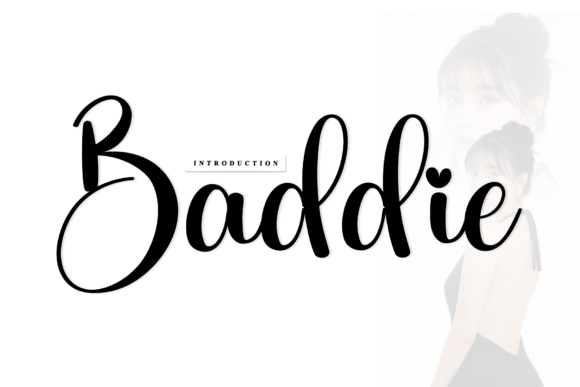
In an era where visual identity is more crucial than ever, typography plays a pivotal role in shaping brand perception. Among the many fonts vying for attention, Baddie stands out as a unique and sophisticated choice that resonates with a wide range of industries. Baddie is a script font that balances calligraphic elegance with a warm, organic aesthetic. Its defining characteristic lies in the sweeping, looping ascenders that evoke a sense of artisanal artistry and customized design. As businesses and creators seek to differentiate themselves in an increasingly competitive market, Baddie offers a compelling solution that aligns with current trends in branding, marketing, and creative expression.
What Is Baddie?
Baddie is a handcrafted script font that blends the fluidity of calligraphy with modern typographic precision. Unlike traditional script fonts that can appear too ornate or difficult to read, Baddie maintains legibility while preserving its artistic flair. The loops and curves are designed to feel natural and spontaneous, giving the impression of being written by hand rather than generated by a machine. This makes it particularly well-suited for applications where authenticity and warmth are key.
One of the most notable aspects of Baddie is its versatility. It works exceptionally well in both digital and print formats, making it a valuable asset for designers working across multiple platforms. Whether used for headlines, logos, packaging, or editorial content, Baddie adds a touch of sophistication without overwhelming the viewer.
Baddie in the Context of Industry Trends
The growing emphasis on personalization and authenticity in branding has made fonts like Baddie increasingly relevant. In today's market, consumers are more likely to engage with brands that feel genuine and human. This shift has led to a rise in the use of handwritten and script fonts in marketing materials, as they convey a sense of individuality and craftsmanship.
Moreover, the trend toward minimalism in design has not diminished the appeal of expressive typography; instead, it has created a demand for fonts that add character without cluttering the visual space. Baddie meets this need perfectly. Its clean lines and rhythmic flow complement minimalist layouts while adding a layer of depth and emotion.
As the creative industry continues to evolve, so do the tools and resources available to designers. With the rise of AI-powered design software and automated layout tools, there is a greater need for fonts that can stand out in a sea of generic typefaces. Baddie offers a refreshing alternative that helps designers create visually striking content that resonates with their audience.
Why Baddie Is Gaining Attention
The increasing popularity of Baddie can be attributed to several factors. First and foremost, it addresses the desire for unique and memorable typography in a world where visual saturation is common. Brands are constantly searching for ways to stand out, and Baddie provides a distinctive voice that can be tailored to fit various brand identities.
Another reason for its growing appeal is its adaptability. While it may seem like a niche font due to its script style, Baddie is surprisingly versatile. It can be used for everything from restaurant menus and product labels to social media posts and website headers. This flexibility makes it an attractive option for entrepreneurs, marketers, and freelancers who need a font that can work across different mediums and contexts.
Additionally, the rise of e-commerce and direct-to-consumer brands has created a demand for fonts that can communicate luxury and exclusivity. Baddie fits this requirement well, as its organic and handcrafted appearance suggests a high level of quality and attention to detail. This makes it an ideal choice for boutique product packaging, lifestyle marketing, and editorial titles that aim to evoke a sense of refinement and sophistication.
Practical Applications of Baddie
To understand the practical value of Baddie, it's helpful to look at real-world examples of how it has been used effectively. One prominent application is in artisanal food branding. Restaurants and cafes that emphasize local ingredients and handmade products often use Baddie to reinforce their commitment to quality and authenticity. The font's warm and inviting appearance aligns perfectly with the ambiance of these establishments, creating a cohesive brand experience.
In the realm of product packaging, Baddie adds a touch of elegance to labels and tags. For example, a small skincare brand might use Baddie on its bottle labels to create a sense of exclusivity and care. Similarly, a boutique clothing line could incorporate Baddie into its logo and promotional materials to convey a sense of individuality and craftsmanship.
For digital content creators, Baddie is an excellent choice for blog titles, newsletter headers, and social media captions. Its rhythmic flow and organic feel make it stand out against the uniformity of sans-serif fonts, helping to capture attention and enhance engagement.
Connecting Baddie to Broader Developments
The success of Baddie is not just a reflection of changing design preferences—it also speaks to broader shifts in consumer behavior and technology. As people become more conscious of the environmental impact of their choices, there is a growing preference for brands that prioritize sustainability and ethical practices. Fonts like Baddie, which evoke a sense of craftsmanship and authenticity, align with this movement by reinforcing the idea of thoughtful, handmade production.
At the same time, the integration of AI and automation in design workflows has raised the bar for what users expect from their tools. Designers now have access to powerful software that can generate layouts, color schemes, and even typography recommendations. However, these tools often rely on standardized typefaces that lack personality. Baddie offers a way to inject creativity and originality into automated processes, ensuring that the final output remains visually compelling and emotionally engaging.
Finally, the rise of remote work and digital collaboration has increased the importance of clear and consistent branding. As teams work across different locations and platforms, having a font that communicates a unified brand identity becomes essential. Baddie provides a reliable and adaptable solution that can be used consistently across all forms of communication, from email signatures to website banners.
Conclusion
Baddie represents more than just a new font—it symbolizes a shift toward more authentic, expressive, and personalized design. In a world where visual identity is critical to brand success, Baddie offers a unique combination of sophistication, versatility, and emotional resonance. Whether you're a designer looking to elevate your projects or a business owner seeking to strengthen your brand, Baddie is a font that deserves serious consideration.