Sayla: A Beautiful and Elegant Script Font for Modern Design Needs
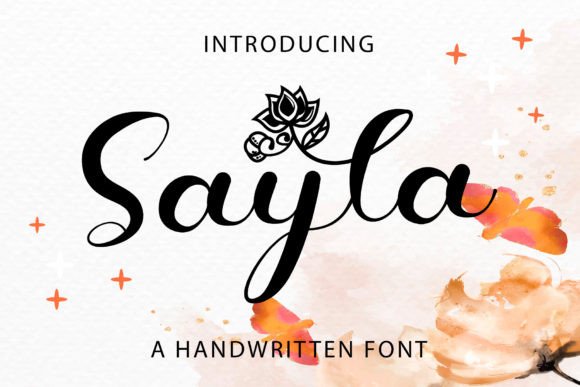
Sayla is a beautiful and elegant script font that offers a classy, unique, and modern look. Designed with versatility in mind, it is well-suited for a wide range of design applications, including logos, branding, invitations, stationery, wedding designs, greetings cards, and social media posts. Its PUA encoded nature allows users to access all glyphs and swashes easily, making it a practical choice for designers seeking both aesthetics and functionality.
Understanding Sayla's Design and Purpose
Sayla is a script font that blends traditional elegance with contemporary style. It features flowing curves and carefully crafted letterforms that give it a graceful appearance. The font’s design is suitable for both formal and informal contexts, offering a balance between sophistication and approachability.
One of the key advantages of Sayla is its PUA (Private Use Area) encoding. This means that all special characters, alternate glyphs, and swashes are accessible through standard font tools without requiring additional plugins or software. This feature makes it easier for designers to customize text and create visually striking compositions.
Why You Might Be Interested in Sayla
If you're looking for a font that combines beauty with usability, Sayla could be an excellent choice. Its elegant style makes it ideal for projects where a touch of sophistication is desired. Whether you're designing a brand identity, creating wedding invitations, or crafting social media content, Sayla can add a refined and professional feel to your work.
Additionally, Sayla’s versatility allows it to be used across various platforms and mediums. From digital signage to print materials, this font maintains its visual appeal and readability, which is crucial for effective communication.
Benefits of Using Sayla
The primary benefit of using Sayla is its aesthetic appeal. The font’s elegant script style adds a sense of luxury and class to any design project. It is particularly well-suited for creative fields such as graphic design, event planning, and marketing, where visual impact plays a significant role.
Another advantage is its ease of use. The PUA encoding ensures that users have access to a wide range of stylistic variations, allowing them to experiment with different looks and adapt the font to their specific needs. This flexibility makes Sayla a valuable tool for designers who want to create unique and personalized content.
Furthermore, Sayla’s clean and modern design ensures that it remains legible even when used in smaller sizes or on digital screens. This is especially important for web-based projects, where readability is essential for user engagement.
Considerations and Tradeoffs
While Sayla offers many benefits, there are also some considerations to keep in mind. As a script font, it may not be the best choice for projects that require high readability, such as body text in long-form documents or websites with large blocks of text. In these cases, a sans-serif or serif font might be more appropriate.
Additionally, while Sayla’s PUA encoding provides access to a variety of glyphs and swashes, it does require some familiarity with font editing tools. Users who are not accustomed to working with advanced typographic features may need to invest time in learning how to make the most of these options.
When Sayla Is a Strong Fit
Sayla is particularly well-suited for projects that benefit from a touch of elegance and individuality. Some common scenarios where Sayla excels include:
- Branding and Logos: The font’s sophisticated look makes it ideal for creating logos that convey professionalism and style.
- Wedding Invitations and Stationery: Sayla’s graceful script style is perfect for adding a romantic and personal touch to wedding-related designs.
- Social Media Posts: The font’s modern aesthetic works well for creating eye-catching captions and graphics on platforms like Instagram and Facebook.
- Greetings Cards: Whether for birthdays, holidays, or special occasions, Sayla can help make greetings cards feel more personal and thoughtful.
When Alternatives May Be Worth Considering
In certain situations, alternative fonts may be more suitable than Sayla. For example, if a project requires a high level of readability, a sans-serif font like Helvetica or Arial might be a better choice. These fonts are designed for clarity and are often preferred for body text in reports, websites, and other long-form content.
Similarly, if a project calls for a more casual or playful tone, a cursive or handwritten font with a more relaxed style might be more appropriate. While Sayla is elegant and refined, it may not be the best fit for designs that aim to convey informality or humor.
Practical Insights for Choosing Sayla
When evaluating whether Sayla is the right font for your project, consider the following factors:
- Purpose of the Design: Ask yourself whether the project requires a touch of elegance or a more straightforward, readable font.
- Target Audience: Think about who will be viewing the design. If the audience prefers a more traditional or formal look, Sayla could be an excellent choice.
- Medium and Platform: Consider where the design will be used. If it’s for digital content, ensure that Sayla remains legible at different screen sizes and resolutions.
- Design Goals: Determine whether the goal is to create a unique, personalized look or to prioritize readability and clarity.
By taking these factors into account, you can make an informed decision about whether Sayla aligns with your design goals and requirements.