Fragile Script: A Handmade Brush Font for Textured Design
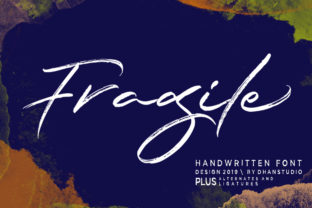
Fragile Script is a textured brush font that stands out for its irregular baseline and handmade feel. Designed to mimic the natural variations of handwriting, it offers a unique blend of elegance and imperfection. This font comes with numerous alternatives and ligatures, making it versatile for various design applications. Whether you're working on stationery, branding, or packaging, Fragile Script can add a personal and organic touch to your projects.
Understanding Fragile Script
Fragile Script is more than just a font; it's a design element that brings character and authenticity to visual content. Unlike standard sans-serif or serif fonts, this brush script mimics the strokes of a hand-held brush, creating an uneven yet visually appealing texture. The irregular baseline adds to its uniqueness, allowing for dynamic typography that feels more human than machine-generated.
The inclusion of many alternatives and ligatures enhances its usability. These features allow designers to create more nuanced and expressive text, which can be especially useful when crafting headlines, logos, or decorative elements. The font’s irregularity means that each letter may appear slightly different in each instance, contributing to a sense of individuality and spontaneity.
Why Consider Fragile Script?
There are several reasons why someone might choose Fragile Script for their design work. Its handmade appearance makes it ideal for projects that aim to convey warmth, creativity, or a personal touch. For instance, it can be used effectively in greeting cards, where the font’s organic feel complements the sentiment behind the message.
Another compelling reason is its versatility. Fragile Script can be applied across multiple mediums, including t-shirts, posters, and packaging designs. Its texture can help draw attention to key elements of a design while maintaining a cohesive aesthetic. In branding, it can be used sparingly to add a distinctive flair without overwhelming the overall look.
Benefits and Tradeoffs
The primary benefit of using Fragile Script is its ability to add a natural and artistic feel to any project. It can make text stand out in a way that traditional fonts cannot, which is particularly valuable for creative industries such as graphic design, illustration, and publishing.
However, there are also tradeoffs to consider. Because of its irregular baseline and texture, Fragile Script may not be suitable for all contexts. It could be difficult to read in long passages or small sizes, making it less effective for body text or formal documents. Additionally, the font’s variability may require more careful spacing and alignment to maintain readability and visual harmony.
Designers should also be aware that the font’s unique characteristics may not align with brand guidelines that prioritize consistency and uniformity. If a brand requires a clean, professional look, Fragile Script might not be the best choice.
Situations Where Fragile Script Fits Well
Fragile Script is best suited for situations where a personal or artistic touch is desired. It works well in stationery designs, such as invitations, thank-you cards, and note cards, where the handwritten quality of the font enhances the overall experience. It can also be a great fit for logos or branding elements that aim to communicate creativity or craftsmanship.
In marketing materials, Fragile Script can be used to highlight key phrases or slogans, adding visual interest and reinforcing a brand’s personality. For example, a boutique clothing line might use it on packaging or promotional materials to evoke a sense of exclusivity and artistry.
When Alternatives Might Be Better
While Fragile Script has its strengths, there are scenarios where other fonts may be more appropriate. For instance, if a project requires high legibility, especially in digital formats or for audiences with visual impairments, a more structured and readable font would be better suited. Fonts like Helvetica or Arial offer clarity and simplicity that Fragile Script lacks.
Additionally, in formal or corporate settings, where professionalism and consistency are paramount, Fragile Script may not be the best option. In these cases, choosing a font that aligns with established brand identity and maintains a polished appearance is essential.
For multilingual projects or those requiring extensive text, Fragile Script may not be practical due to its complexity and potential impact on readability. In such cases, opting for a font that supports a wide range of characters and maintains a consistent style across different languages is advisable.
Practical Insights for Decision-Making
When deciding whether to use Fragile Script, it's important to consider the context, purpose, and audience of the project. Ask yourself: Does the font enhance the message or distract from it? Will it be legible in the intended size and format? Does it align with the overall aesthetic and tone of the design?
It’s also helpful to experiment with the font in different applications before finalizing a design. Testing how it looks in various sizes, colors, and backgrounds can reveal how well it performs in different scenarios. Additionally, considering how it pairs with other fonts can help ensure a balanced and harmonious typographic composition.
Ultimately, Fragile Script is a powerful tool for designers who want to add texture and personality to their work. However, it should be used thoughtfully, with an understanding of its strengths and limitations. By evaluating its suitability for specific projects, designers can make informed decisions that align with their goals and the needs of their audience.